Every winter, we put salt on the paths, fit the winter tyres, and leave the porch light on — but the biggest fall risks of the year are usually inside the front door. Falls are the leading cause of injury in over-65s, and most of them happen at home, in a room the person has walked through a thousand times. Here are the ten things we check on every home care visit, from the cheapest to the most important.
The 10 checks
- Clear the walkways. Rugs at the ends, charging cables, laundry baskets, the dog’s water bowl — anything on the direct path from bedroom to bathroom. If it moves every day, it falls every day.
- Secure the rugs. A non-slip underlay, or out of the room. A rug that creases at the corner is a fall waiting to happen.
- Put a non-slip mat inside the bath. Not a “bathroom rug” on the floor outside — a wet floor mat is its own hazard. The mat goes in the tub.
- Light it properly. Bright bulbs in the hall, landing and bathroom, plus two night lights on the bedroom-to-bathroom route. See our autumn home checklist for the lighting basics.
- Wear proper indoor footwear. Non-slip soles. No loose slippers, no walking in socks on polished floors, no “I’m only going to the kitchen” in bare feet.
- Get the eyes checked. A surprising number of falls are prevented by a new pair of glasses. If the last eye test was two years ago, book it this month.
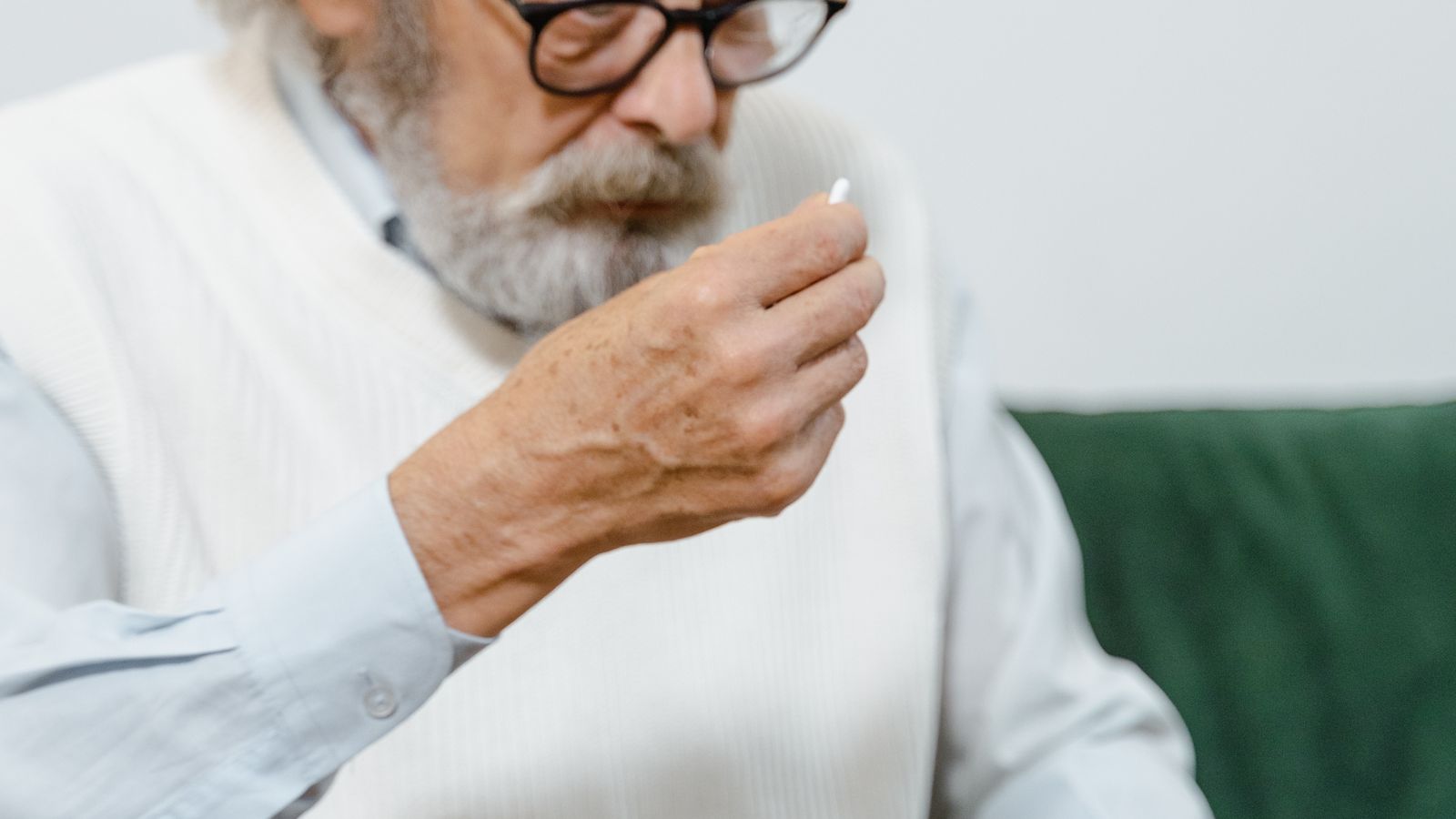
- Talk to the GP about dizziness. Blood pressure medication and tranquillisers are the usual suspects. A Pharmacist Review of Medicines (POMR) is free and worth asking for when the list gets long.
- Rise slowly. Sit on the edge of the bed for 30 seconds before standing. The drop in blood pressure when you stand is real, and the 30 seconds are free.
- Add a grab rail in the bathroom. The single piece of equipment with the best cost-to-benefit ratio in the whole house. The GP practice, or a falls-risk nurse, can assess for a free one.
- Keep the warmth on — safely. Cold, stiff joints move badly, so a warm house is a safer house. But keep space heaters off the rug, service the gas fire, and check the carbon monoxide alarm while you are in.
When to worry about more than a fall
The fall itself is rarely the problem; getting up is. If a fall happens in the home, the GP should hear about it even if there is no injury — a fall is a risk marker, not a one-off event. If a person cannot get up and call for help, that changes the whole plan, and it is the conversation to have at the free consultation, not at the kitchen table at 3am.
How our carers help
Every new placement starts with a home safety walk, and every ongoing client gets a seasonal check when the weather turns. Carers also do the small things that add up: a glass of water within reach of the bed, a phone charged and on the charger at the bedside, and a note in the visit log when something has changed — a new slipper, a colder room, a lighter appetite. If you would like the full check, book a free consultation and we will come with the list.