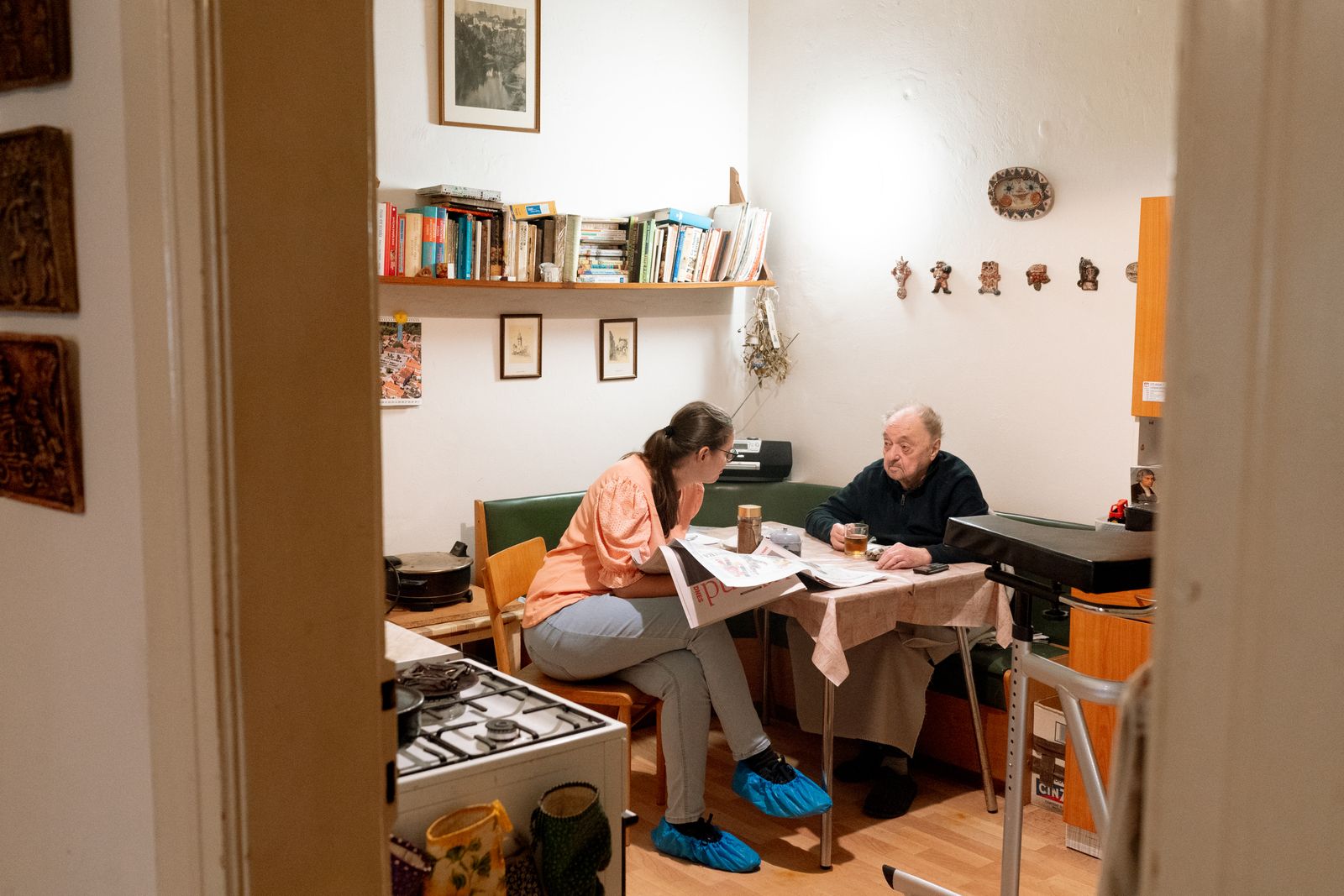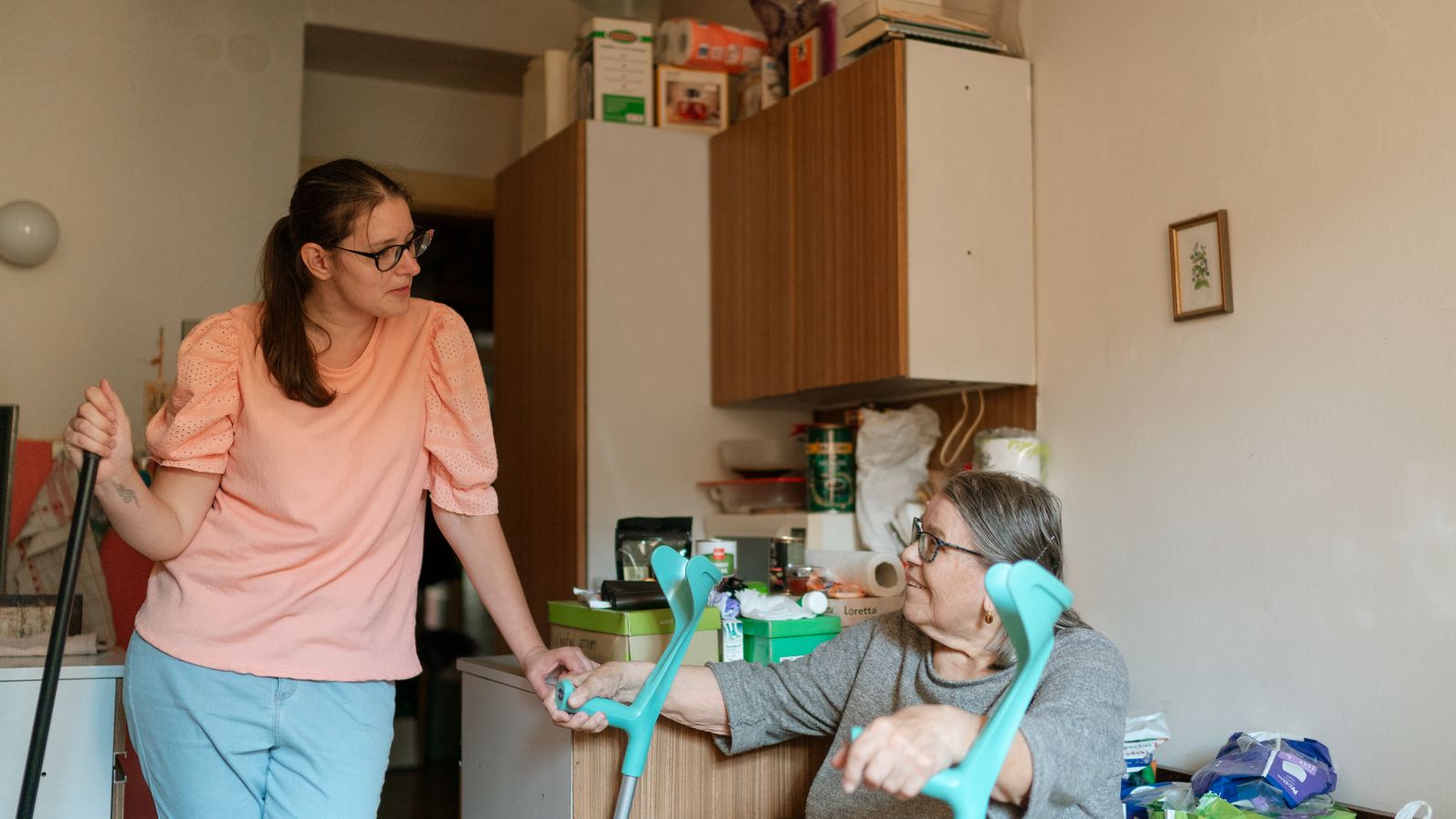
The days shorten by an hour every two weeks. The boiler kicks on for the first time after summer. The garden path you mowed in August is suddenly covered in wet leaves. Autumn is a good season to do one full walk around your loved one’s home and fix the small things before winter makes them dangerous. Here is what we do on the first home safety visit of the season.
1. Light is the first casualty
By mid-October, it is dark at 5.15pm. Most falls in autumn happen in a room that used to be bright and now needs a lamp. Put the good bulbs in the hall, landing and bathroom, and leave two or three night lights on the route from the bedroom to the bathroom. A £6 lamp costs less than one trip to A&E.
2. Service the boiler before the first cold snap
If the boiler has not been serviced since last winter, book it now. A heating bill spike, or a breakdown in a week of -5°C when your client is 84, is a problem you cannot solve on the phone. Keep a spare space blanket and a hot-water bottle by the bed — if the heating does fail, there is still somewhere warm.
3. Rugs, cords, and the kitchen floor
Wet-leaf season means wet shoes on the doorstep, and wet footwear means a kitchen floor that is suddenly slippery. Check the rugs (tack the corners, or move them), walk the hallway in the dark to see what you cannot see (trip hazards), and coil up the charging cables and kettle leads that have drifted across the walkway.
4. The garden and the doorstep
Clear the path, and keep the grit in an easy place — and importantly, at a height the person can reach, not the bottom of the shed. Decking and patios turn to ice before the road does; for a few weeks, the front step, not the garden, is the safest route out.
5. Cold and flu season: the vaccination and the fridge
Flu season runs from October to February. Make sure the flu jab has been booked — a GP letter, a pharmacy, or most out-of-hours services can do it. And keep the fridge stocked: a home full of fresh food is a home where someone can eat well even if they cannot get out, or do not want to. Our carers check this at every visit (see our home care service).
6. Mind the mood, not just the temperature
The season change affects mood, and older adults in particular feel it. Short days, fewer visitors, the neighbour who has moved on. If your loved one seems more withdrawn than usual, talk to the GP — and add a little warmth to the weekly routine: an extra cup of tea, a longer walk in the bright afternoon, a phone call with a grandchild at the same time each week.
7. A quick home check is one phone call away
None of the above needs to be a DIY project. When we start caring for someone new, we do a full home check as part of the free consultation: a walk around the house with a list, and a written summary of what to fix. If you are not yet working with us and autumn is already turning, that same visit is open to you — book a free consultation and we will come with the checklist, not a sales script.