
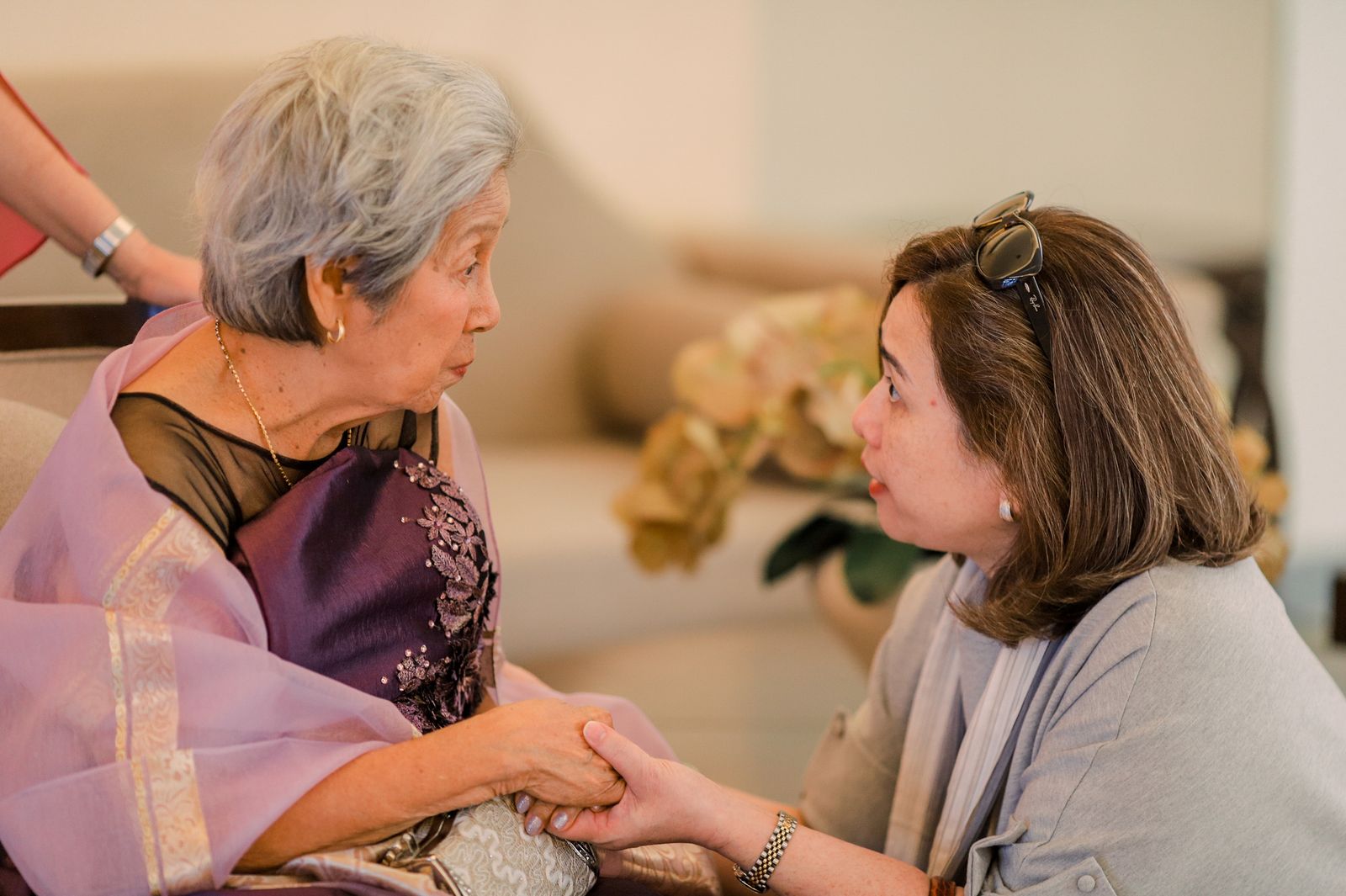
You have been putting it off for months. The evidence keeps piling up: the medicine cabinet in a row, the unopened letters, the “I’m fine” that is clearly not fine. And you know the hardest part is not finding a good agency — it is the conversation. As the Registered Manager of a home care team, I have sat in hundreds of these kitchens, and I can tell you: this conversation is a skill, and like all skills, it can be learned.
Why your loved one resists
“I don’t need help” is almost never a refusal of the help. It is a statement of identity. Cooking that curry, driving to the shop, and paying the bills are how your mum proves to herself that she is still in charge of her life. When you say “you need a carer,” what she hears is “you are no longer in charge.” The first job of the conversation is to keep her in charge — because in the end, that is exactly what home care is for.
Pick the moment, not the crisis
Do not have this conversation in the middle of a fall, in a hospital corridor, or at 11pm when you have just driven over from Manchester. Pick a calm, familiar place: her kitchen, her tea, the usual chair. A good opening is often not about care at all — start with what has been noticed, and what has been missed: “Dad, you haven’t been to the shops for two weeks. I miss the stories from the post office.”
Say “help,” not “care”; say “me,” not “you need”
Language matters more than you think. “Care” sounds like a home; “help” sounds like a hand. “I’m worried” is honest; “you are dangerous” is not true and lands as an attack. And keep the focus on your own worry: “I’m not sleeping well, and I can’t keep doing the 5am trips. I need a plan that works for both of us.” A request from the adult child is far easier to accept than an ultimatum from a doctor.
Give her a real choice
The fastest way to make resistance disappear is to hand back control. Not “will you accept the carer on Tuesdays and Thursdays?” but “which sounds better — someone helping with meals on most days, or someone for an hour a day to keep the house going?” Now she is deciding which kind of help, not whether to accept it at all. If it helps, bring in the written options we prepare at the free consultation — options are easier to talk about than abstractions.
If the answer is “no”
Do not argue. Say “that’s fair, let’s leave it for now,” and keep doing what you were doing. Then let time and small facts do the work: the GP’s letter, the second fall, the hospital discharge plan. Most of the families I work with get to “yes” not on the first conversation, but on the third or fourth. And sometimes the door is opened by a professional rather than a family member — one of our carers can come for a free assessment and, over a cup of tea, say the same things you would say without the family dynamics getting in the way.
The goal
The goal of this conversation is not to win an argument. It is to reach a point where your loved one has agreed to one small, specific, time-limited trial: two mornings a week, one month, and then you both look at how it went. Almost every “yes” we have started that way.
When you are ready, the free consultation is a place to talk it through — what to offer, how to price it, and who comes. And if you would like more practical questions to ask before committing, start with the 9 questions to ask a home care agency.