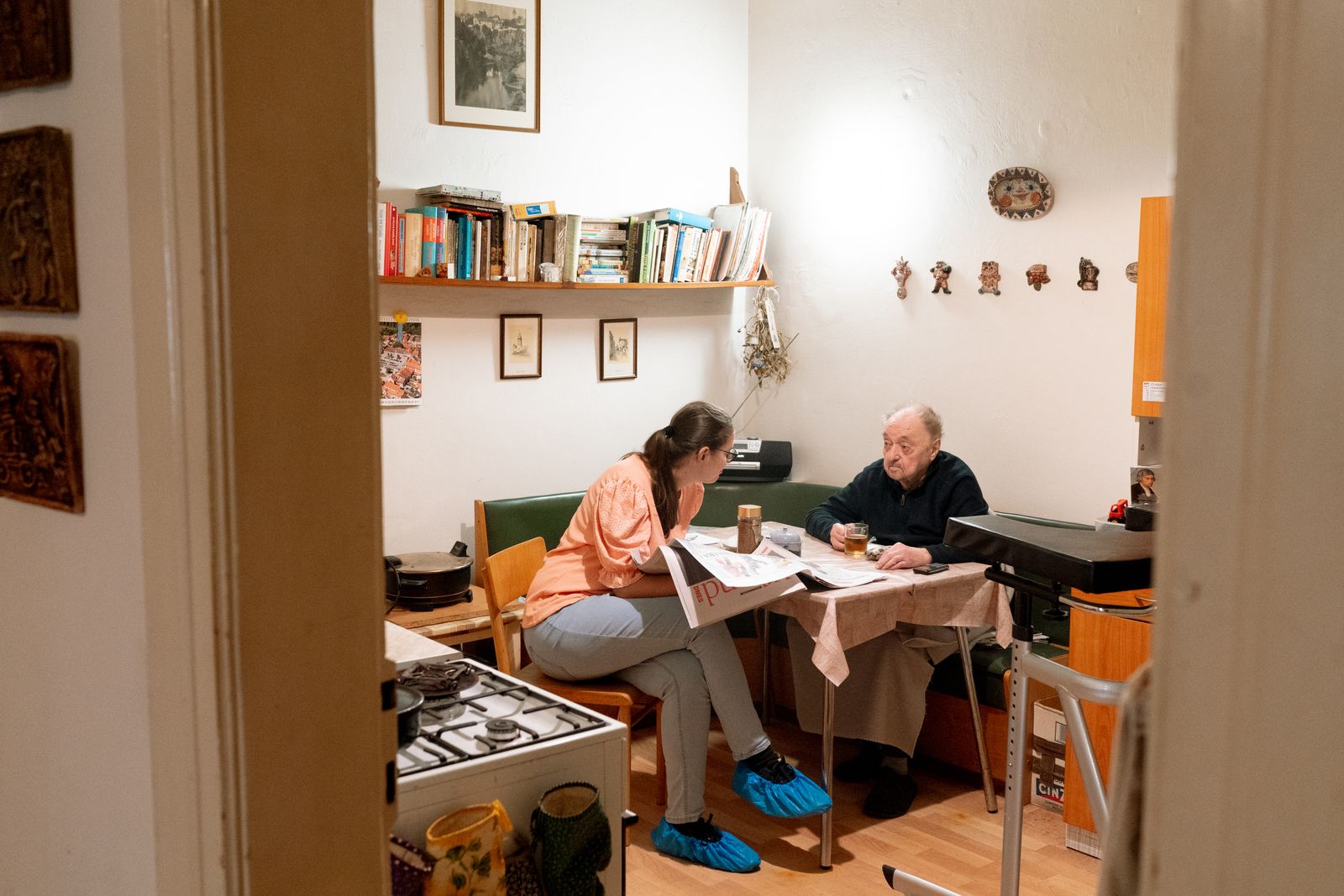
A family once asked us, over tea, “how do I know the person at my door on a Tuesday is actually good?” It is the right question, and it is the one this page exists to answer. The short version: we are a small team, we hire slowly, we check everything, and we train longer than the industry average. Here is the whole process, from the first application to the annual re-check, so you can hold us to it.
Recruitment: we hire slowly, on purpose
We do not run high-volume recruitment drives, and we do not take on “anyone who needs a job.” Our team is small — a deliberate choice, so that every carer is known to every client, and every client is known to every carer. A new carer goes through:
- A real interview, not a form — with a practical element, where they show how they would handle a specific situation, not just describe it;
- Two references, checked by phone, not just on paper, including a previous employer;
- An enhanced DBS check, and a right-to-work verification;
- A probationary period — every new carer’s first 10 visits are shadowed or quality-checked, and the client is told this happens. If a family is not happy with a carer in that window, we change them, no questions asked, no charge.
Training: the induction is two weeks, not two days
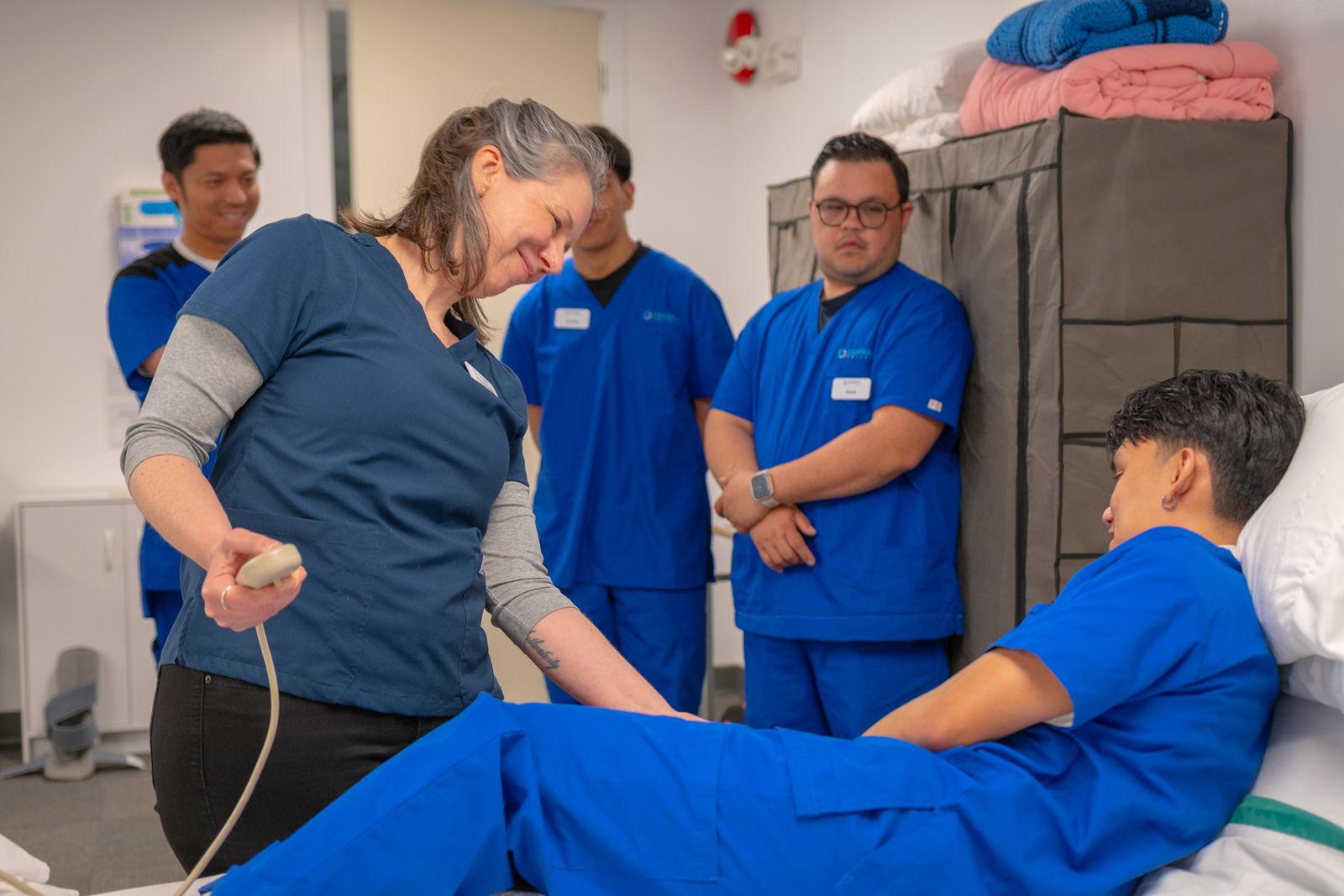
Our new carers do not go to a client’s home after a one-day briefing. The induction is two weeks, and it covers:
- The CQC fundamentals — what the regulator expects, and why it matters to the person at the door;
- Safeguarding — how to recognise, record, and report, and why “just a bruise” is not an answer;
- Dementia and mental health — communication, behaviour, and what is actually happening in the brain;
- Manual handling — safe transfers, the equipment, and the rule that no carer carries alone if it can be avoided;
- Infection control, first aid, and medication — including the reminders-versus-administration distinction we go into in our medication guide.
After the induction, the training does not stop. We run a monthly training day for the whole team — one theme a month, from falls prevention to advance care planning — and every carer keeps a training record that a family can ask to see at any time.
Supervision: the part most agencies skip
A carer who is never supervised becomes a carer who is only as good as their last good day. Every one of our carers has a one-to-one supervision with Clare or me every 4 weeks. It is not a performance review. It is a conversation: how are the visits going, what is hard, what is the carer worried about, what does the carer need? The carer’s well-being is a quality issue, not a personal one. A carer who is supported does better care, and stays longer, and your parent gets the same face at the door in January as in June.
What you can check, yourself
- Ask to see the carer’s training record — a serious provider will say yes without hesitation;
- Ask who supervises them, and when the last supervision was;
- Ask what happens if you are not happy — the answer should be “we change them, quickly, and we talk about why”;
- Check the CQC report — our registration number is 1-1933640460, and the report is public (see our guide to the CQC).
If you are a carer — or thinking about becoming one — the team is small enough that you would be known by name. See our careers page. And if you are a family who wants to meet the person before anything else, the free consultation is the place to start — you will meet a member of the management team, not a call centre, and you are welcome to ask any of the questions on this page.